
Documenting Cameroon’s grassroots women’s football movement
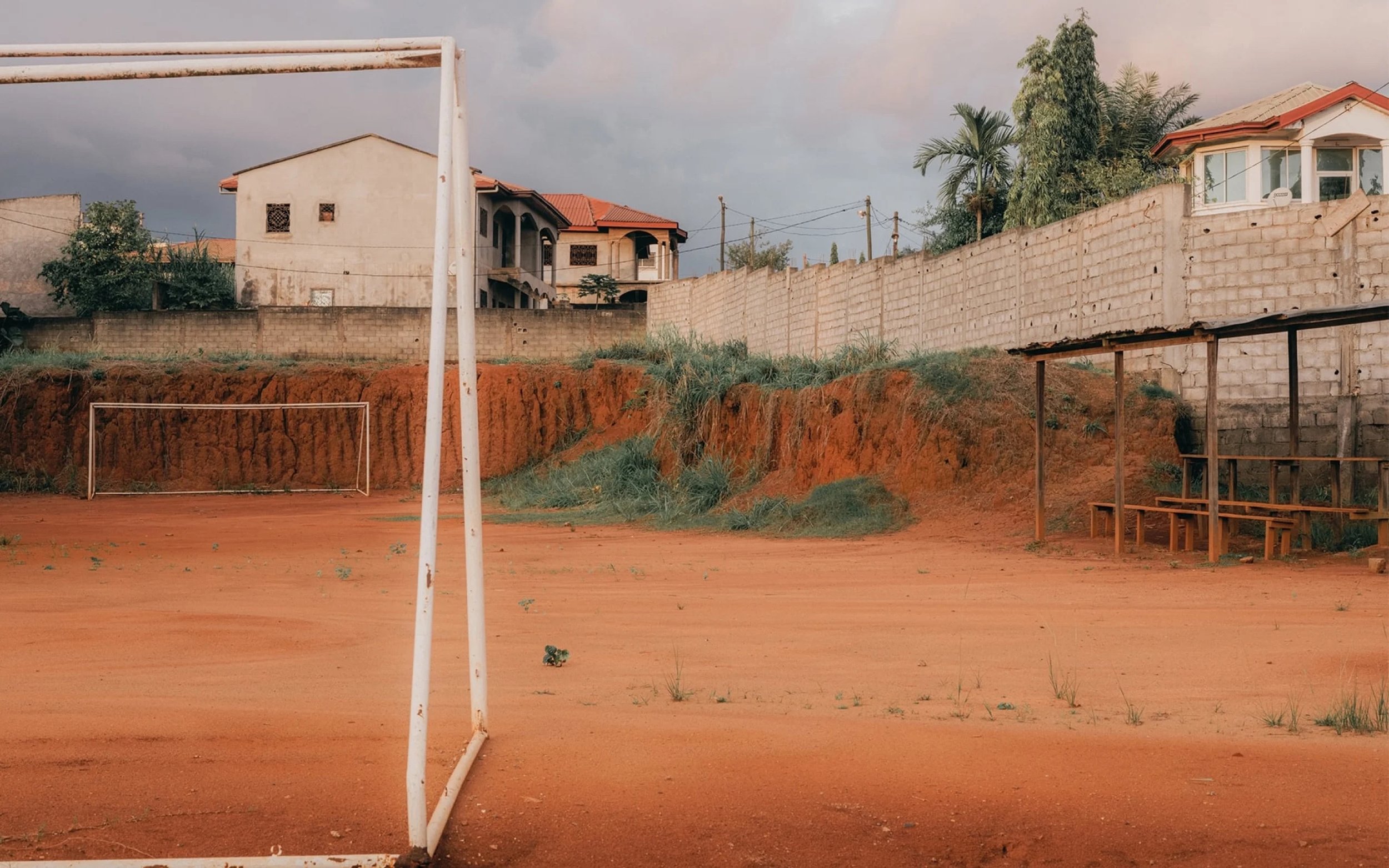
In a new book, “Rain On Dry Earth,” photographer Benjamin Rasmussen spotlights the Petrichor Foundation, a grassroots women’s football movement in Cameroon, and the girls fighting to change what their future looks like, on and off the pitch. Rasmussen tells Sam Diss how a team of local collaborators and contributors came together to tell this important story, and to capture the girls as the strong, powerful athletes they are.
It starts like this: A few kids in scuffed sneakers, sprinting full pelt after a ball under a setting sun in Yaoundé, Cameroon’s capital city. They’re playing for each other, for the coaches who believe in them, for the fathers who didn’t get their own shot, for the mothers who didn’t think this was possible, for the brothers who drove them to training, sick of the arguing at home. The ball skims off the dirt. This is the country’s dry season—hot, heavy, still. But the young women and girls of AS Petrichor play on, waiting for rain.
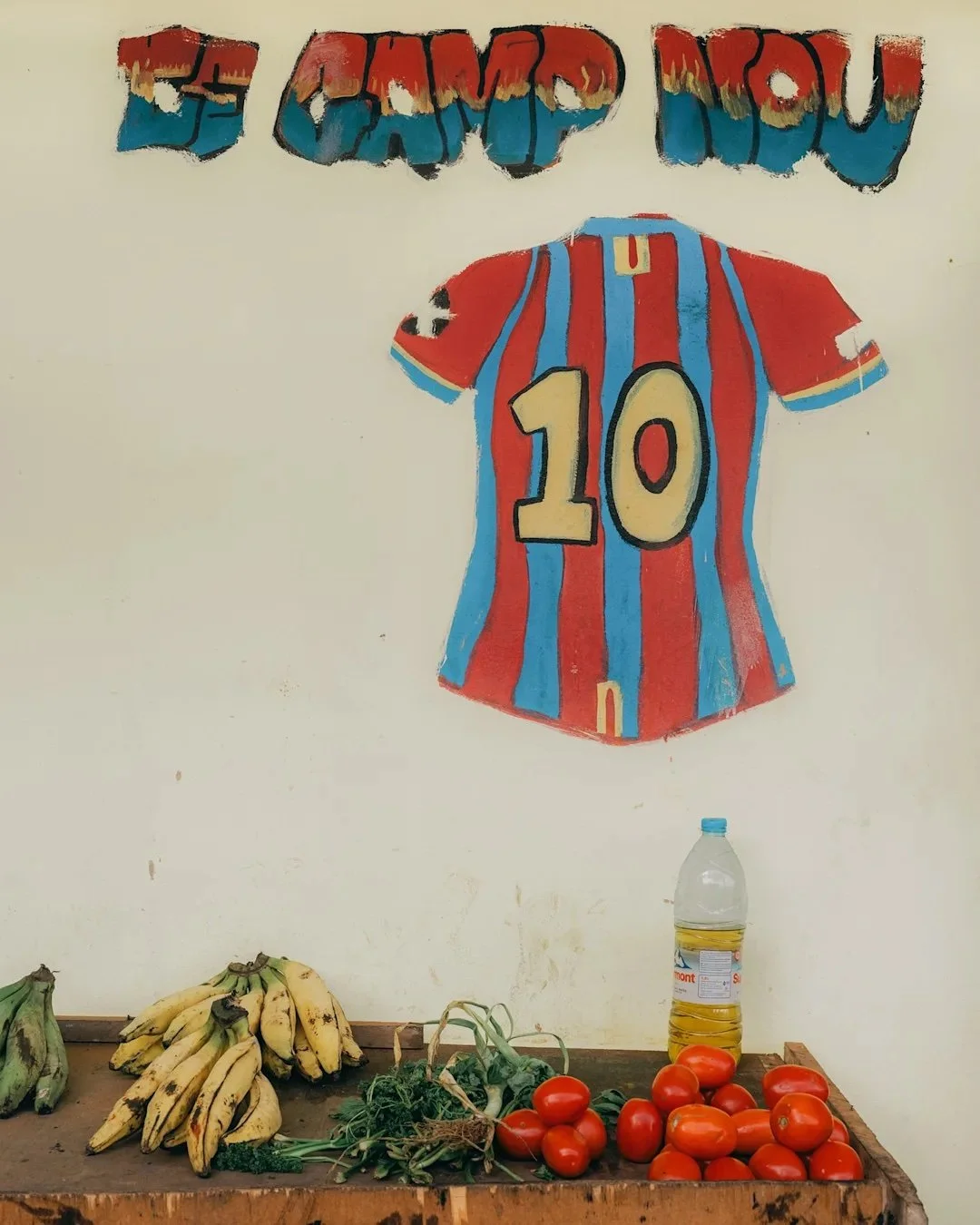
“These weren’t professionals. They weren’t celebrities, but they were doing something I hadn’t seen before. They were using football as a way to widen the world around them.”
Photographer Benjamin Rasmussen had spent years photographing athletes. The polished, high-performance, glossy kind. But this was different. “These weren’t professionals. They weren’t celebrities,” he tells me. “But they were doing something I hadn’t seen before. They were using football as a way to widen the world around them.”
Rasmussen travelled to Cameroon to document the work of the Petrichor Foundation, a grassroots football organization focused on the development and empowerment of young women in the capital. “I wanted to photograph them the same way I’d photograph a star athlete,” he explains. “To treat these girls with the same visual respect as someone showing up to set with an entourage.”
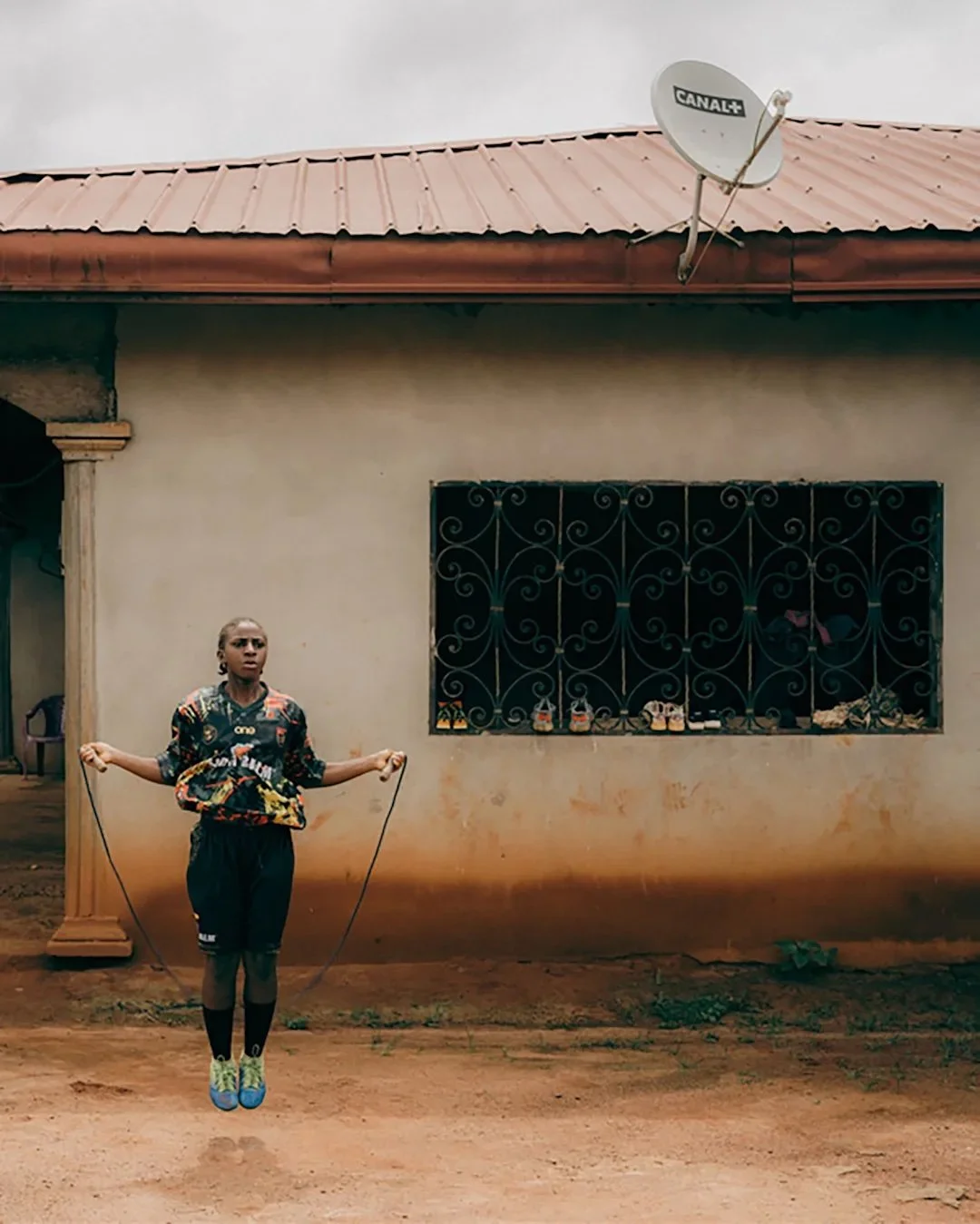
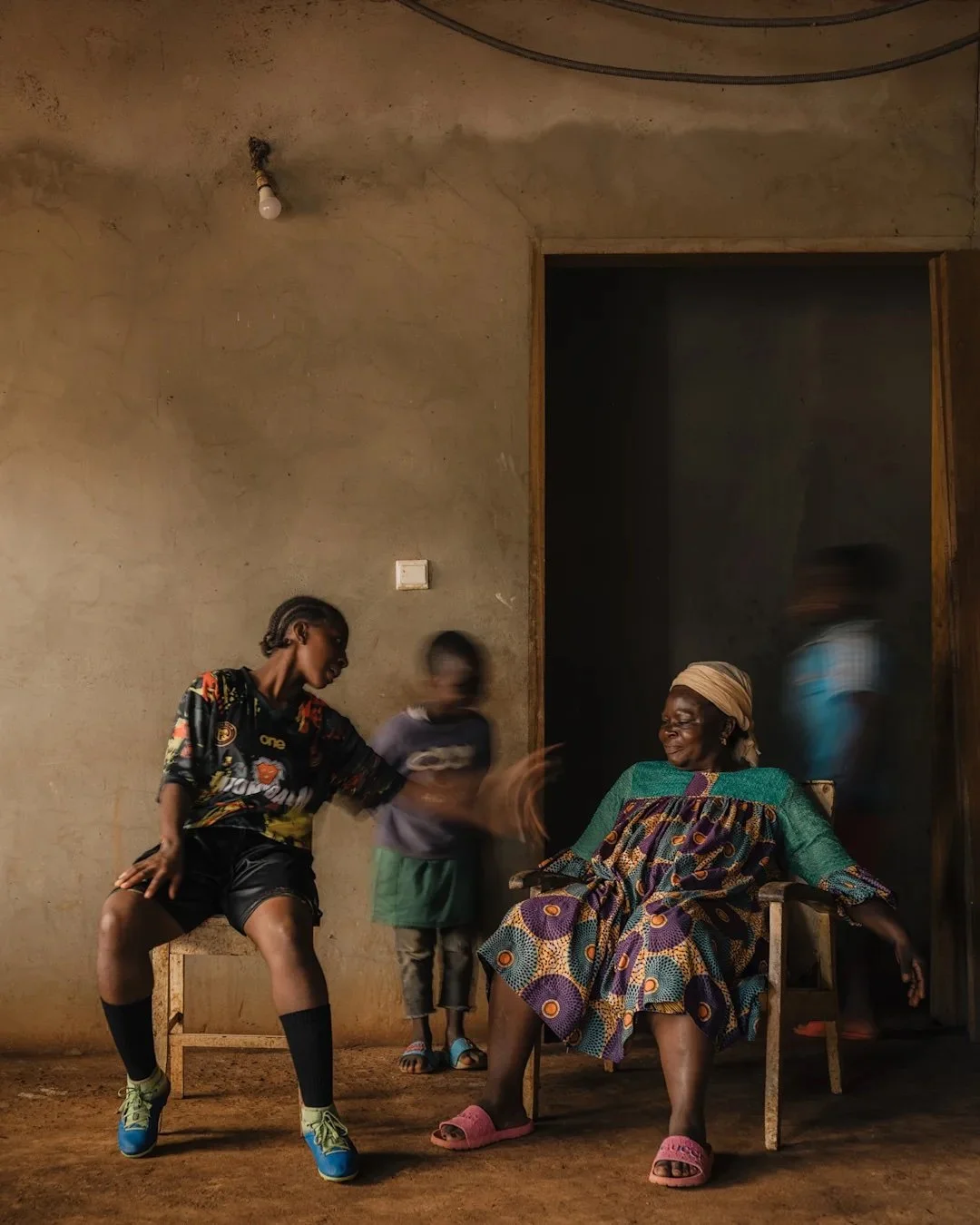
In practice, that meant making conscious choices about how the photos would look, knowing that even aesthetic decisions can often carry heavier meanings. “There are these visual languages we use in photography,” Rasmussen says. “We use a certain look for athletes. A different one for CEOs. And a different one again for people we perceive as having less power—the poor, the displaced, people from the Global South. So I wanted to bring in the visual language we usually reserve for power, and apply it here.”
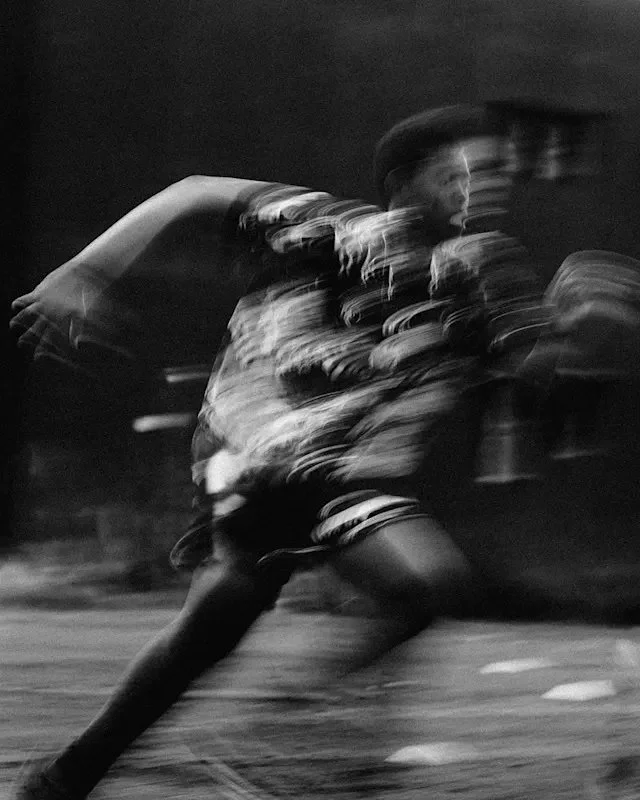
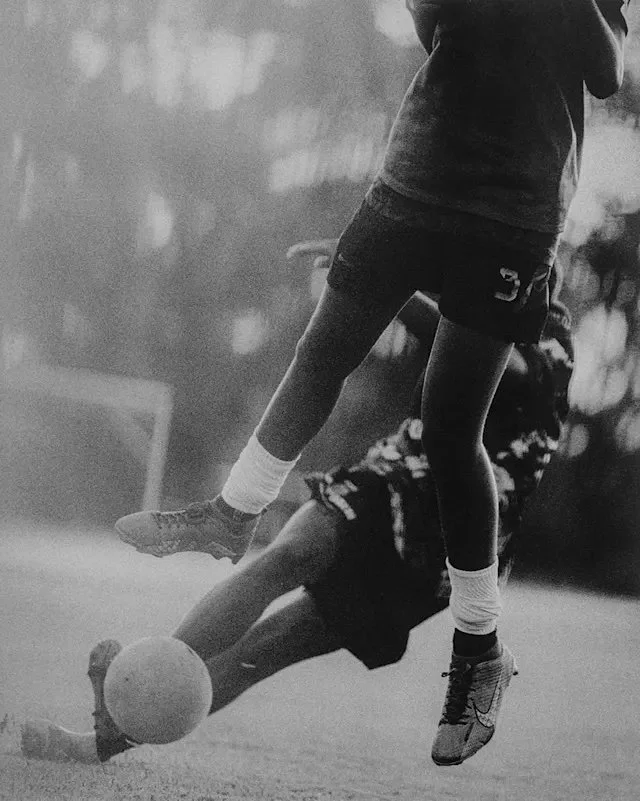
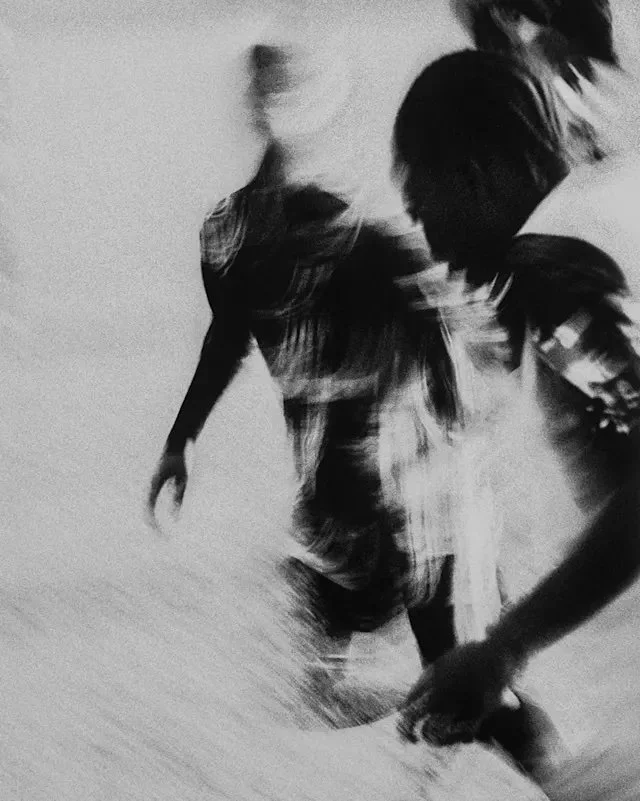
“I wasn’t trying to force dignity into the frame – they already had that. My job was to just show it, and not get in the way.”
Some of that was technical—longer lenses, clean light, more formal framing—and some was a more logistical challenge. “We had a local garment worker stitch together pieces of white cloth so we could hang them from the goalposts, rigging up a backdrop on the side of the pitch,” Rasmussen says. “We were out there shooting what could’ve been a fashion campaign. Not to aestheticize them. But to reflect what was already true.”
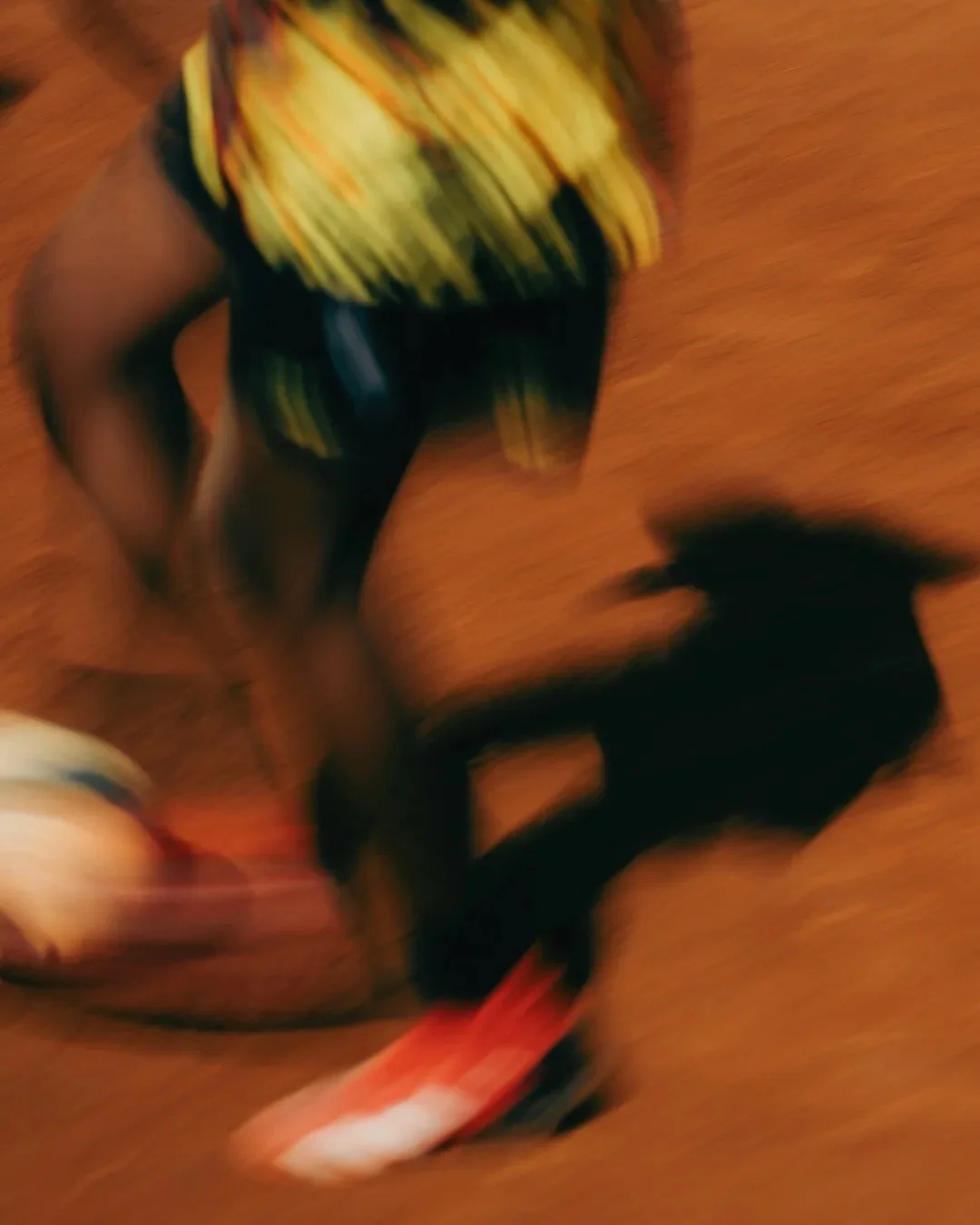
The result is a kind of gentle confrontation. Photos where the camera doesn’t peer down or steal candid moments from the shadows, but meets the subject on their terms. What grew from an opportunity to photograph Petrichor’s new jersey became so much more. The still portraits are poised and luminous. The action shots, by contrast, embrace streaks of motion blur that feel organic and dynamic: the bodies never frozen, never passive. The pictures pulse with energy. They remind you these girls aren’t just symbols—they’re athletes. “I wasn’t trying to force dignity into the frame,” Rasmussen says. “They already had that. My job was to just show it, and not get in the way.”
